Blog
Electric cars in Panama
Clear guides on taxes, models, costs and the import process.
Want to quote a 2025 EV? WhatsApp +507 6998-5362
-
 BYDGuideModels
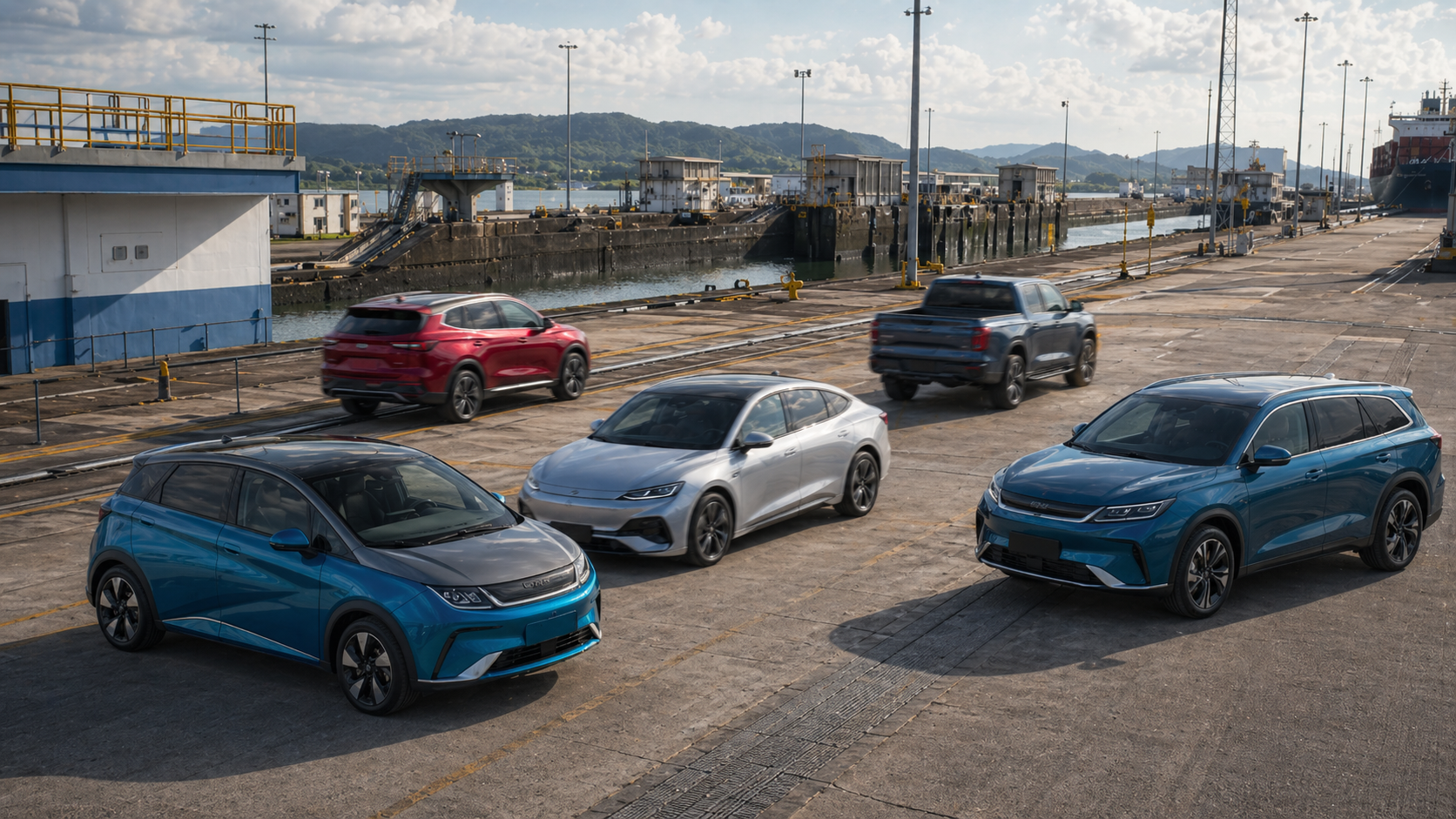
BYD in Panama 2026: Complete Guide to All Available Models
Complete guide to BYD cars available in Panama in 2026: BYD Dolphin, Atto 3, Seal, Han, Tang and Shark. Range comparison, estimated prices, and which model fits your lifestyle.
· 9 min read -
 GuideComparisonPHEVElectric
Plug-in Hybrid vs Full Electric in Panama: Which One Should You Get in 2026?
PHEV or BEV in Panama? Honest comparison between plug-in hybrids and full electric cars in 2026: real costs, maintenance, tax incentives, and why for most Panamanians the electric wins.
· 8 min read -
 TeslaGuideModels
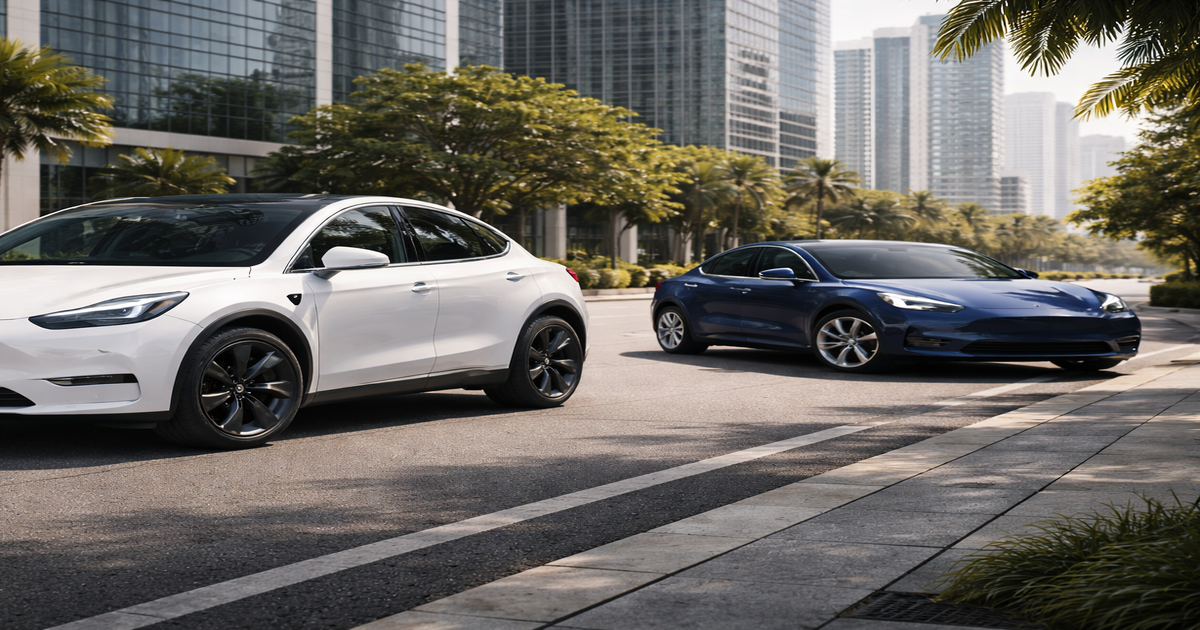
Tesla in Panama 2026: Available Models, Range & Why It Works Here
Are there Teslas in Panama? Yes — and growing. Complete guide to Tesla Model 3 and Model Y in Panama: real range, charging options, why they work in tropical conditions, and how to import one in 2026.
· 8 min read -
 ImportGuideProcess
How to Import an Electric Car to Panama — Step-by-Step Guide 2026
Complete guide to importing an electric vehicle to Panama in 2026: requirements, documents, customs process, ATTT homologation, real costs, and how to use the 0% import tariff under Law 295.
· 11 min read -
 SavingsGuideCosts
How Much Does It Cost to Charge an Electric Car in Panama? Real Costs 2026
Discover what it really costs to charge an EV in Panama in 2026: ENSA/EDEMET electricity rates, gasoline vs electric comparison, Evergo charging network, tax incentives, and why the geopolitical moment makes switching smarter than ever.
· 11 min read -
 PricesGuideImport
How much does an electric car cost in Panama in 2026? Real prices, 2025 models, and what a serious quote includes
Reference EV price ranges in Panama, 2025 model-year focus, 7% ITBMS, and what to expect from a serious quote.
· 12 min read -
 GuideComparisonImport
The Most Popular Electric Cars in Panama in 2026
Practical guide to the most popular electric cars in Panama in 2026: BYD, Tesla, Kia, Toyota, Audi and more. 7% ITBMS, warranty, delivery and how to choose.
· 14 min read -
 FleetTCOBusiness
Electric Fleets in Panama: How to Cut TCO and Buy from a Serious Importer
How an electric fleet can lower TCO in Panama and what to ask a serious importer for a clear, low-risk quote.
· 9 min read -
 GuideImportComparison
Electric Cars Panama: Find Your Ideal Electric Vehicle
Practical guide to choosing the ideal electric car in Panama: costs, taxes, warranty, delivery times, and how to import with full transparency.
· 11 min read -
 GuideTrustImport
How to Avoid Scams When Importing a Car: 12 Green and Red Flags (Checklist)
Learn to spot green and red flags when importing a car in Panama. A practical checklist to buy with more confidence and clarity.
· 10 min read -
 SavingsComparisonGuide
Electric Car vs. Gasoline in Panama: Benefits for the Planet and Your Wallet
Compare electric car vs. gasoline in Panama: monthly savings, maintenance, environmental impact, and what to check before you switch.
· 12 min read -
 TaxesImportGuide
Why Electric Vehicles Have 0% Import Tariff in Panama (and What You Do Pay)
We explain Panama's 0% tariff for electric vehicles, what you do pay, how long the incentive lasts, and how to get a clear import quote.
· 9 min read
Everything You Need to Know About Importing Electric Cars to Panama
Why Panama Incentivizes Electric Vehicles
Panama enacted Law 295 in 2022 to accelerate EV adoption as public policy. The law established a direct tax incentive: pure electric vehicles classified under HS tariff code 87.03 carry a 0% duty rate through December 31, 2030, compared to 10% for hybrids and the general regime rates for gasoline vehicles. The stated objectives are to reduce emissions, decrease dependence on fossil fuels, and modernize the national vehicle fleet. For buyers in Panama, this creates a concrete opportunity to lower the total acquisition cost compared to other market options, particularly when importing directly rather than purchasing through a local dealership.
What Taxes You Actually Pay When Importing an EV
The 0% incentive applies to the specific tariff line — it does not eliminate all charges. Panama's 7% ITBMS (the tax on the transfer of movable goods and services) still applies on the vehicle's value in all cases. Depending on how each transaction is structured, processing fees, registration, license plates, and inspection charges may also apply. The key for buyers is to request a quote that clearly itemizes each line: vehicle price, ITBMS, and processing fees. That's what allows honest comparisons without surprises. This blog covers each of these charges in detail so you can evaluate every quote correctly.
The Import Process with PideTuCarro
Importing an electric vehicle with PideTuCarro has four stages: quote, spec confirmation, import, and delivery. The quote is requested via WhatsApp or the online form, and we respond within 24 hours with options and an estimated price. Once the exact specifications — model, version, color, and equipment — are confirmed along with the initial payment, we begin the formal import process. Estimated delivery is 1.5 to 2 months from order confirmation. Every vehicle includes a 1-year warranty provided by PideTuCarro, with WhatsApp support at every stage of the process.
Most Popular Models in Panama in 2025
In 2025, Panamanian buyers are choosing primarily from the BYD Dolphin Mini (the most compact and accessible), BYD Yuan Up (compact SUV), BYD Atto 3 (family SUV), BYD Seal (premium sedan), Hyundai IONIQ 5 (800V platform crossover), Hyundai IONIQ 6 (aerodynamic sedan), Kia EV6, and Tesla Model Y. Each model has a distinct profile in terms of range, size, price, and ideal use case. The guides and comparisons in this blog are designed to help you identify which one best fits your daily driving needs in Panama.
Real-World Range in Panamanian Conditions
Manufacturer range figures are measured under the WLTP cycle in European conditions. In Panama, heat and heavy air conditioning use reduce that range by 15% to 25% in practice. The good news is that most current EVs have more than enough range to cover daily urban driving in Panama City — typically between 40 and 80 km per day for most drivers — with significant margin to spare. For intercity travel, it's worth checking available charging points along the route. This blog keeps updated information on both real-world range and the public charging network in Panama.
Cost per Kilometer: EV vs. Gasoline in Panama
Using March 2026 data, a gasoline vehicle consuming 8 L/100 km has an energy cost of approximately B/.75.84 per 1,000 km (95-octane gasoline at B/.0.948/L). An electric vehicle consuming 18 kWh/100 km, charged at ASEP regulated tariffs (between B/.0.157 and B/.0.226/kWh), has an energy cost of between B/.28 and B/.41 for the same 1,000 km. The difference is significant. Add to that fewer wear items: no oil changes, fewer maintenance fluids, and brakes that last longer thanks to regenerative braking. For corporate fleets, the impact on TCO is even greater when multiplied across vehicles and monthly kilometers.
How to Choose the Right Importer
Not all electric vehicle importers in Panama operate with the same level of transparency. A serious importer provides a formal quote with a clear ITBMS breakdown, confirms the exact vehicle specification before receiving any payment, has a verifiable business registration (RUC), and delivers the warranty in writing. Comparing prices without comparing these conditions can lead to a very different experience than expected. This blog explains what to ask before committing to an importer, what red flags to watch for, and which documents to review. Transparency isn't an extra — it's the minimum standard.
Ready for the next step?
Quote your 2025 EV in Panama
Transparent process, clear pricing, warranty included. Up to 30% savings vs. local dealers.*
*May vary by model/specification.